Guest Post: Photos of Barrio Alexis Arguello, Estelí
IMG_2883
IMG_2887
IMG_2890
IMG_2896
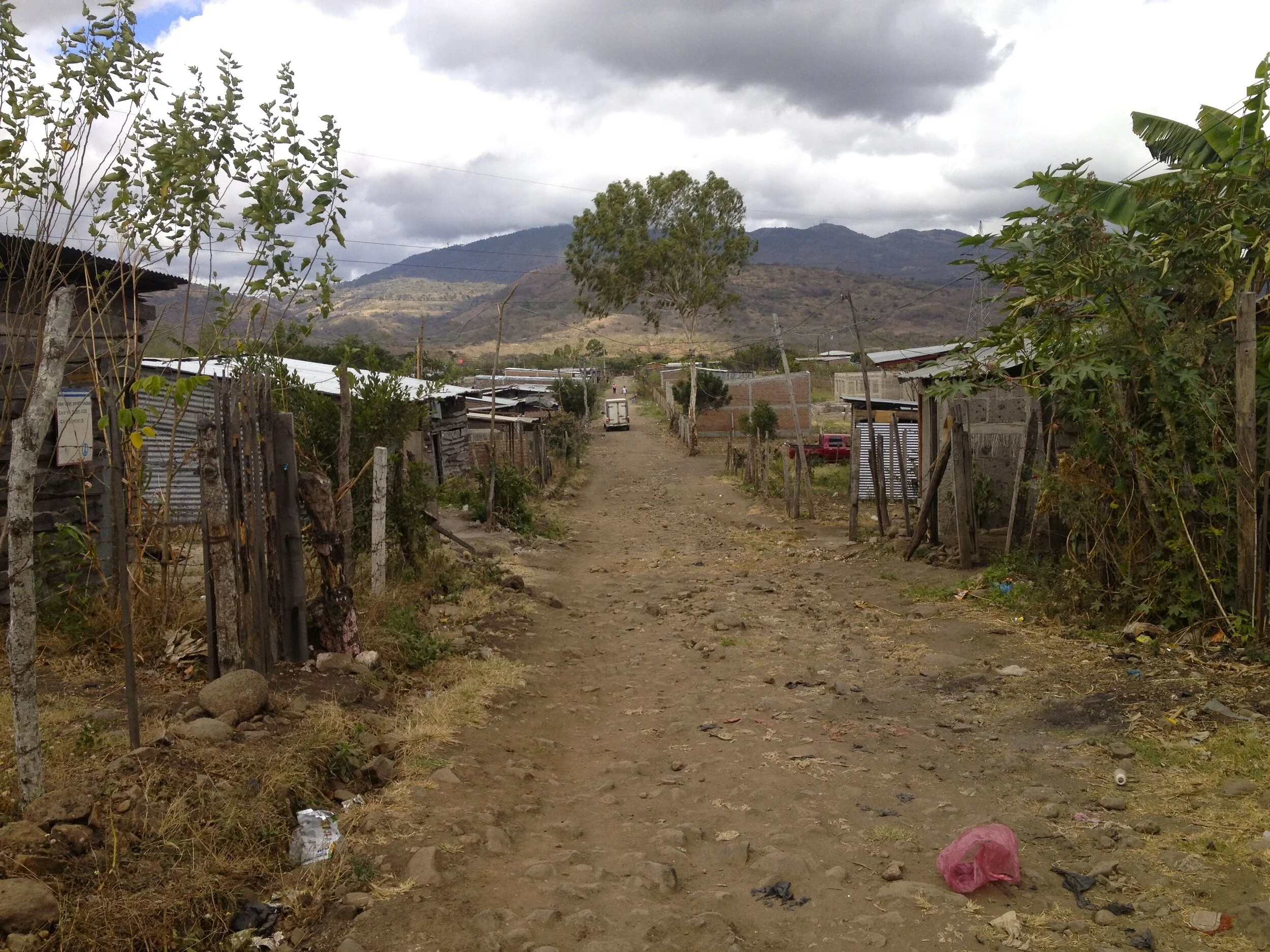
IMG_2894
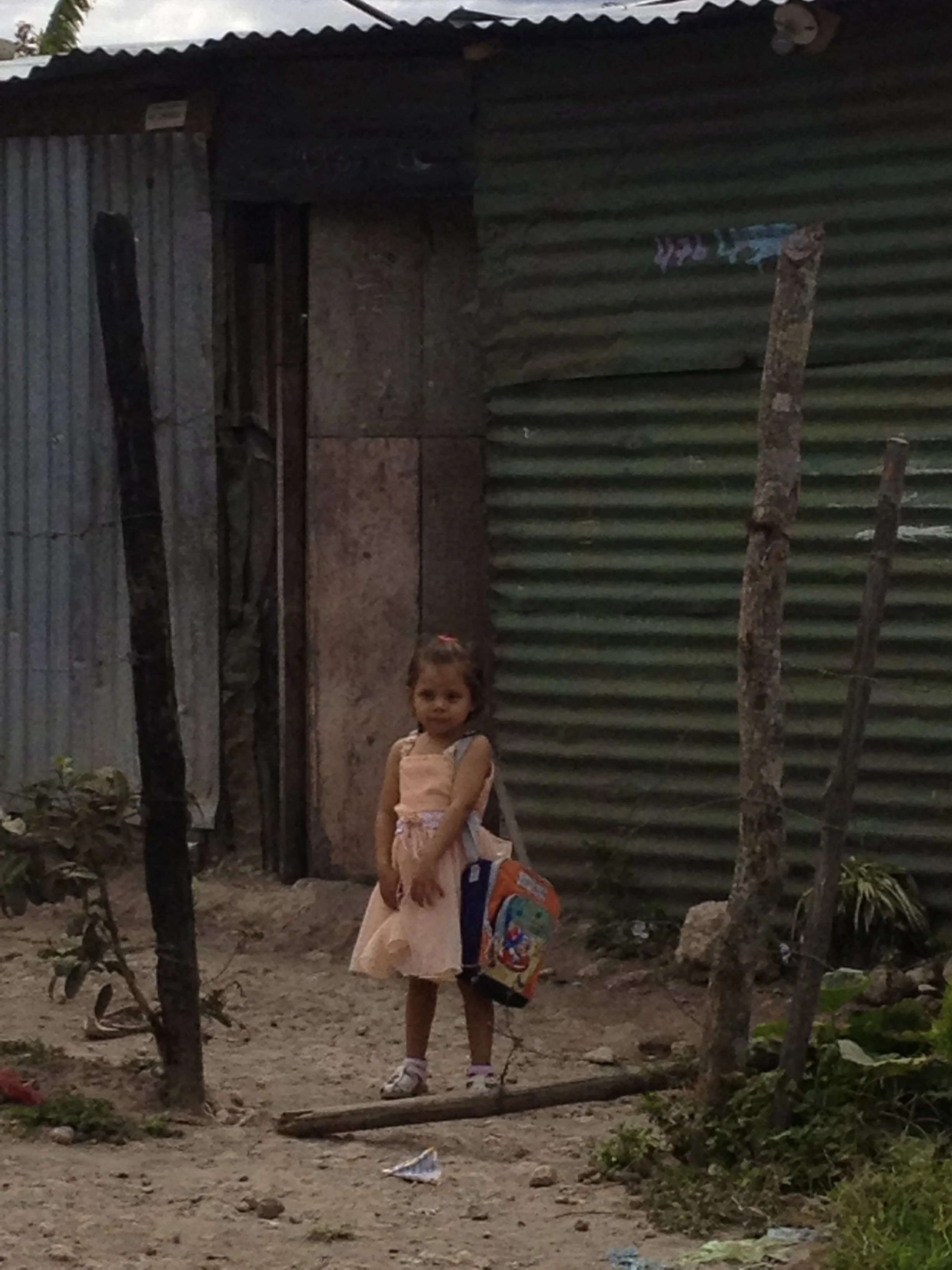
IMG_2904
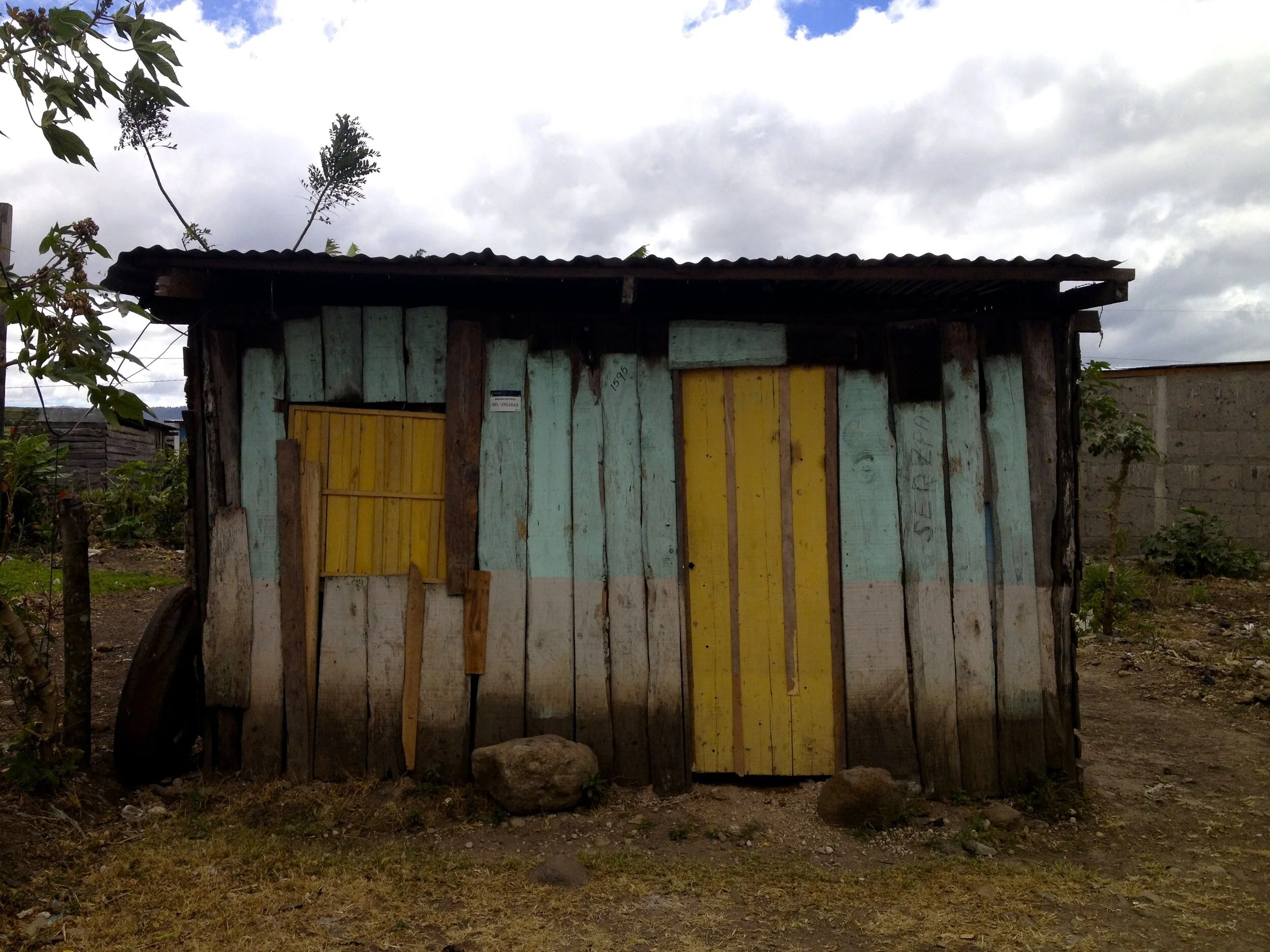
IMG_2897
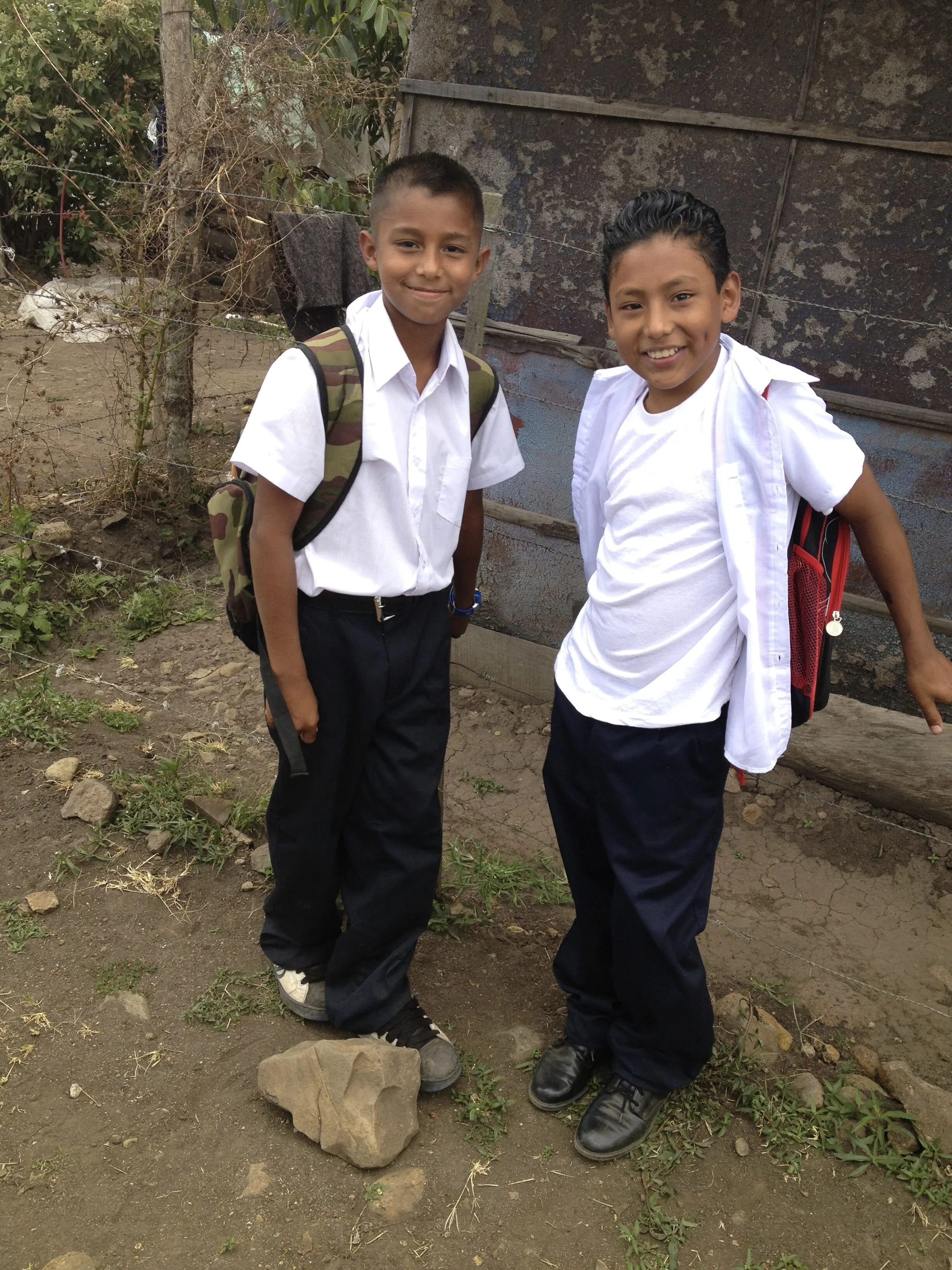
IMG_2920
IMG_2914
IMG_2913
IMG_2906
IMG_2905
IMG_2910
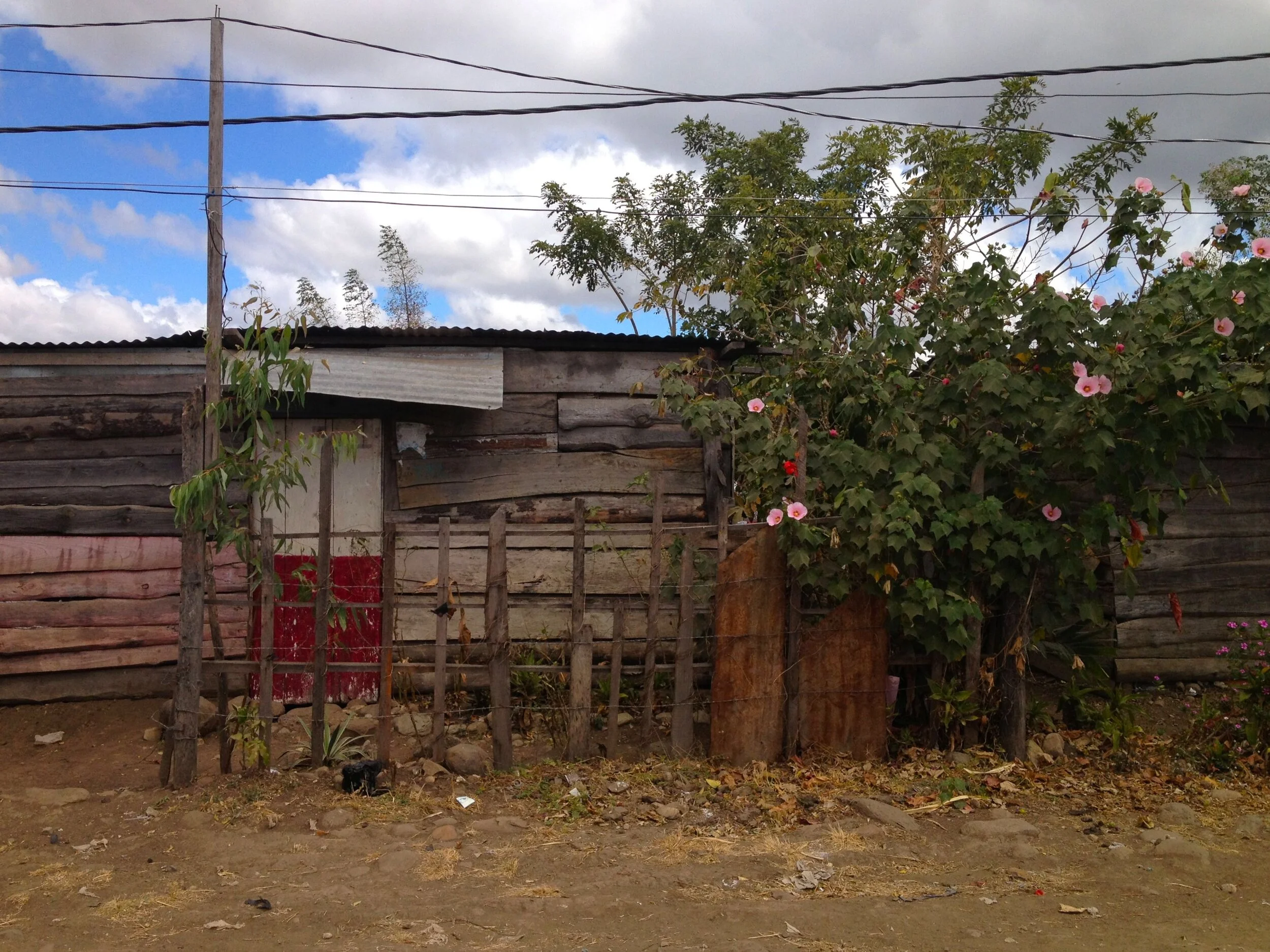
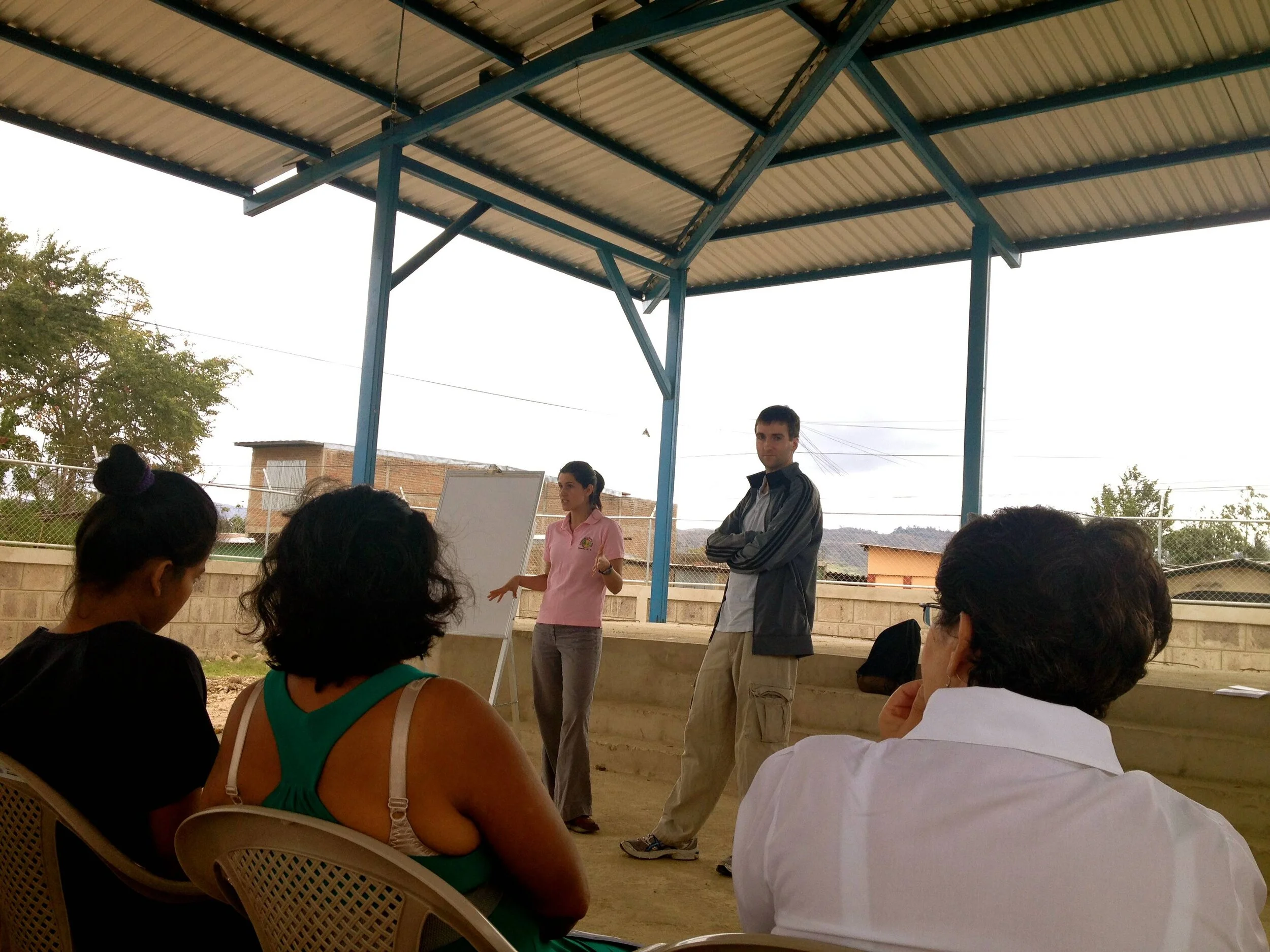
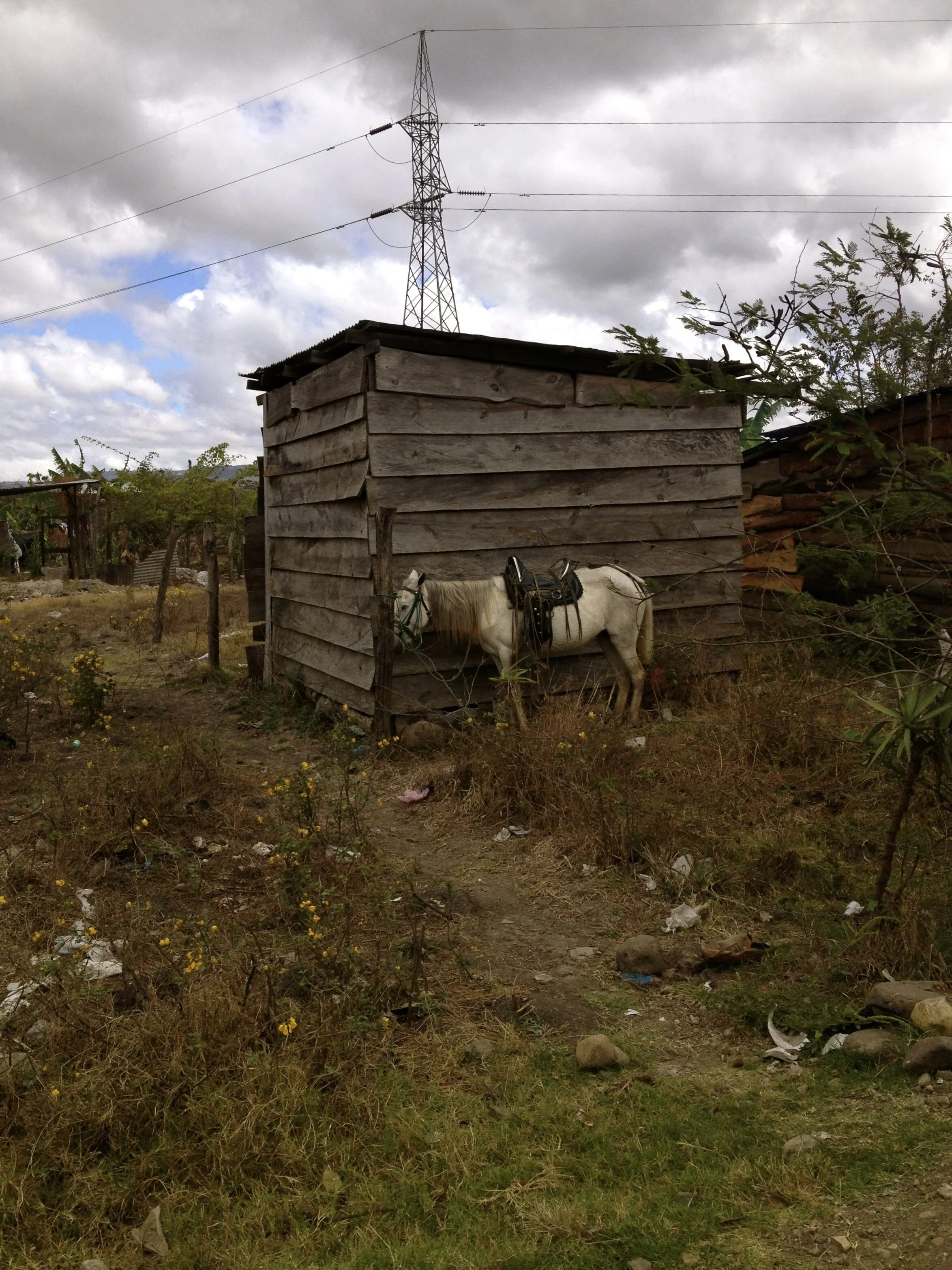
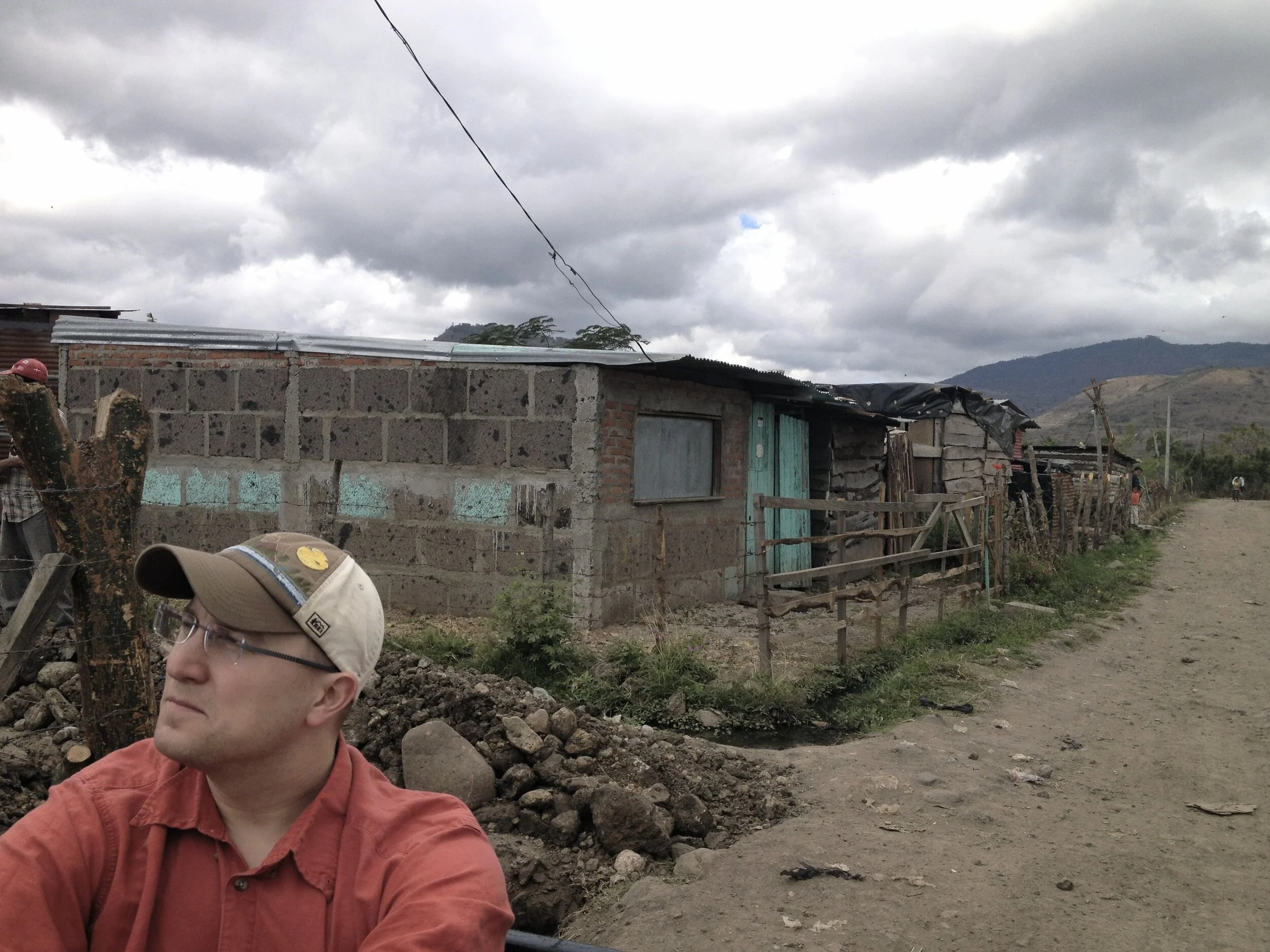
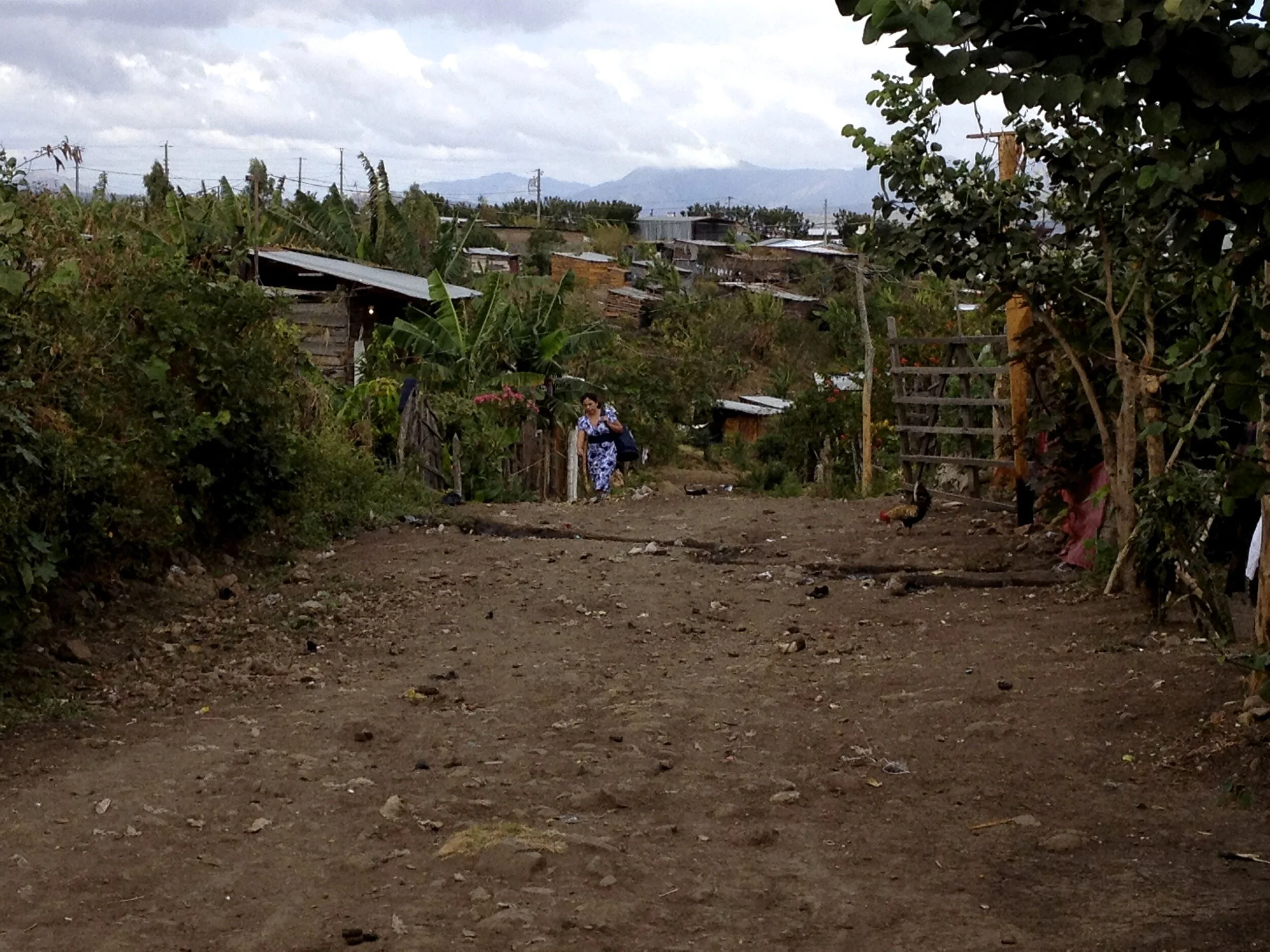
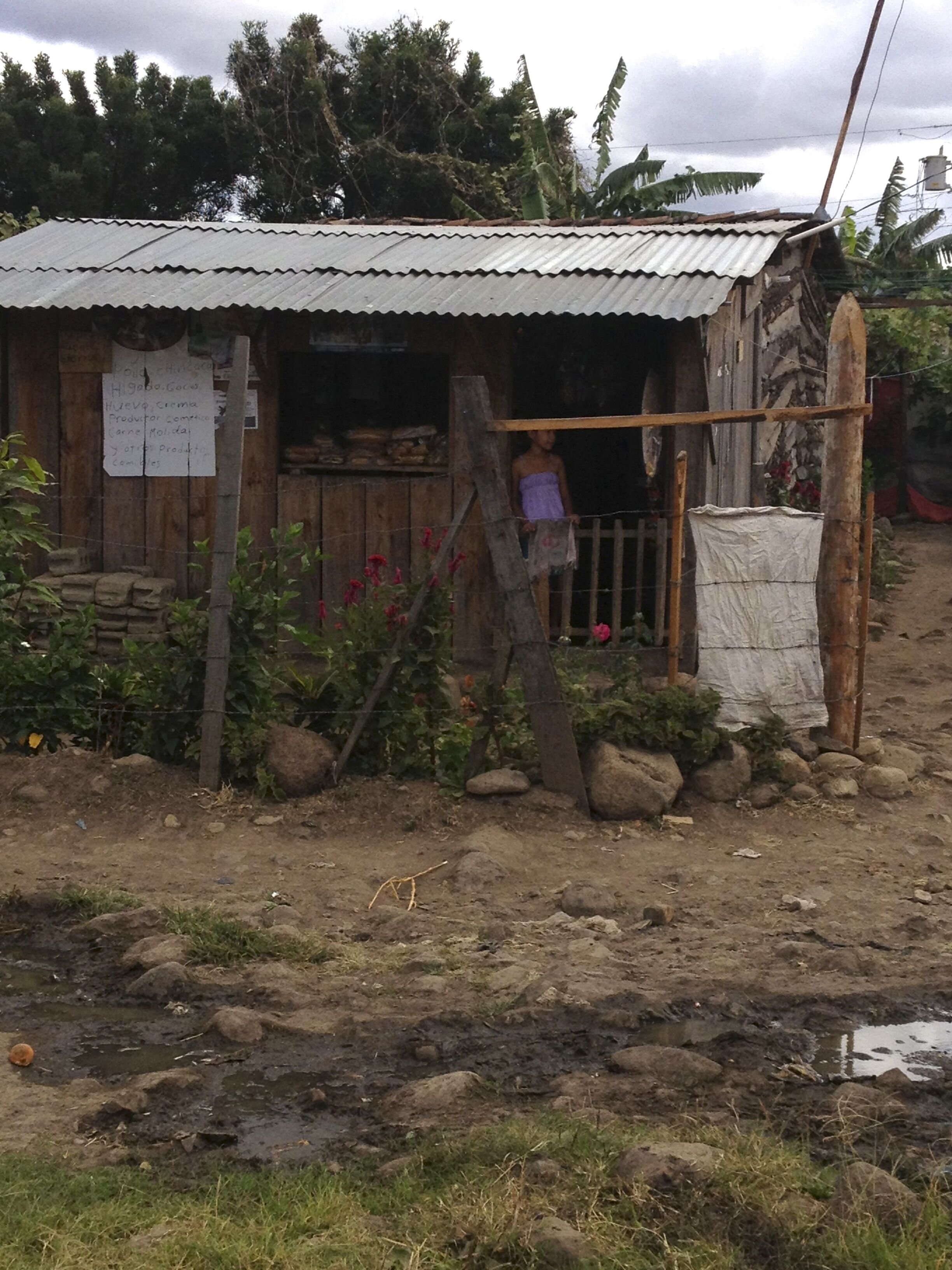
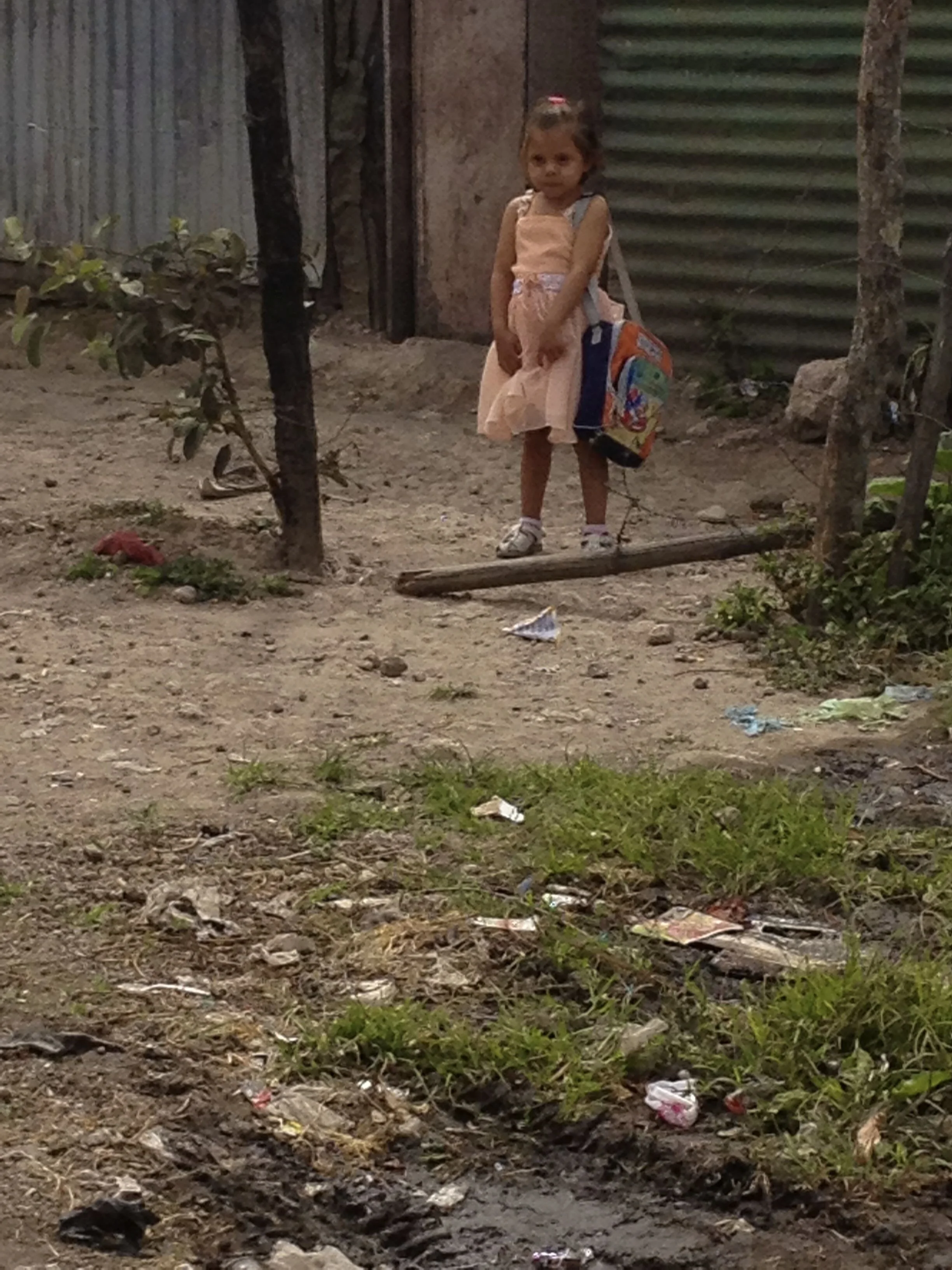
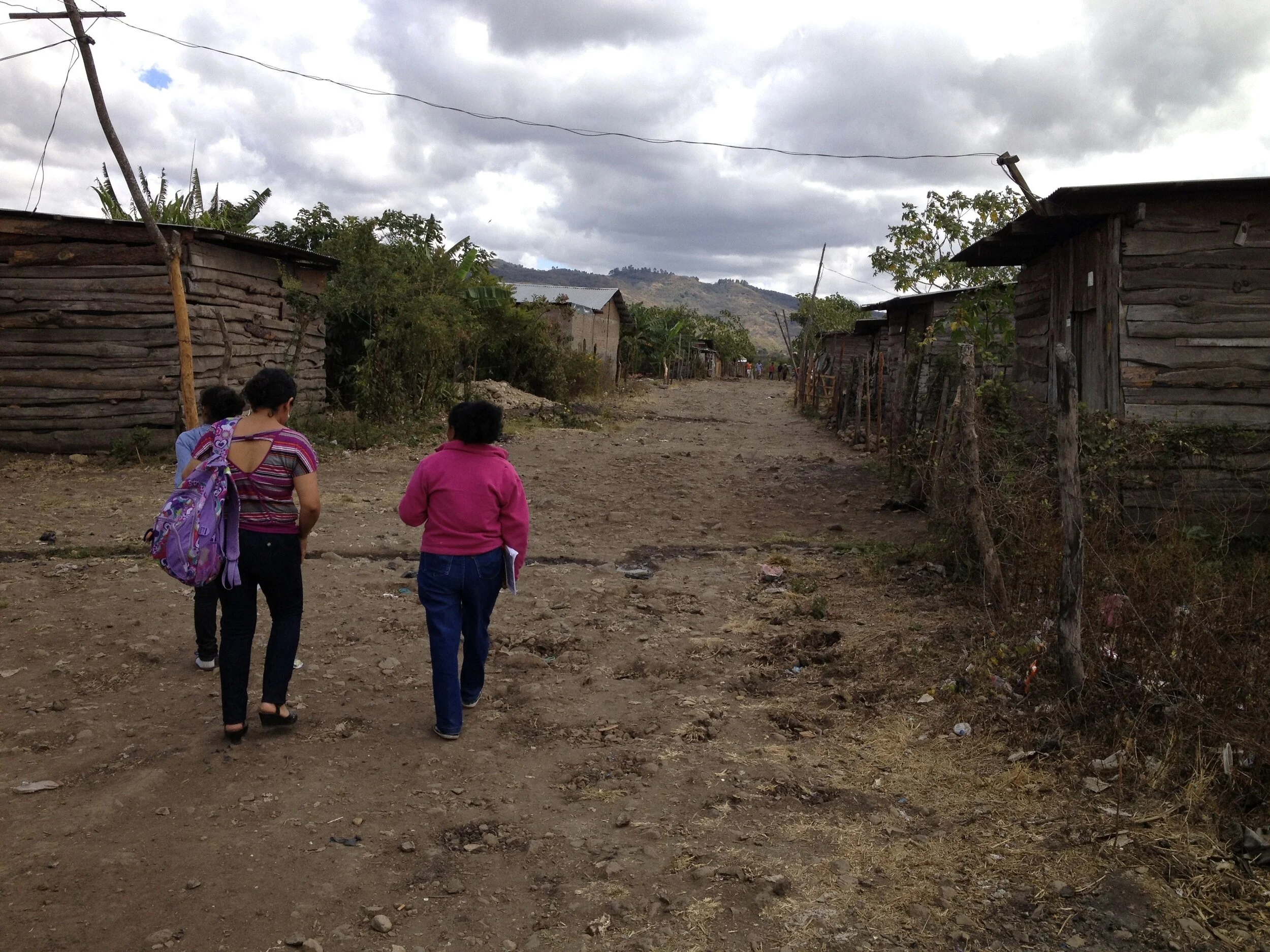
Sorry for the absence. I've been off the internet grid for a while. But, I'm slowly getting back into it. It's amazing how rich life can be when you are not constantly tempted to sign on and you actually have no choice in the matter. Yet, how disabling it can feel as well. I'm back in Roatan now taking a little R&R and awaiting the arrival of my brother and his friends for what is likely to be a bit of a shit show of a week, full of memories (insert smirk). While sorting out many photos from the past few months, I came to these, photos from a really good day working with Foundation Superemos (based in Esteli, Nicaragua) and the Barr Foundation (through the Dorchester House in Boston, Massachusetts).On this day, our group of medical volunteers visited Barrio Alexis Arguello in Esteli, Nicaragua after 2 members lead an educational session with several community health workers covering topics of respiratory illnesses and diarrhea. The group was particularly engaged and appreciative, and much ground was covered. After this session, a few of the workers asked our group to visit their barrio to see how they live and the challenges they face. This was a special experience for me, as I had never before had such an opportunity. This particular barrio is relatively new. It was formed initially by a group of squatters on uninhabited and unused private land, and it has grown to the point that the government just recently declared it a formal barrio. Due to this, the structure of the barrio was not well thought out, and the latrines are particularly close to the plumbing. This plumbing, by the way, only provides water for a short period every day due to water pressure issues. Therefore, they turn the water on to fill up large pits in the ground when the water pressure is high enough to provide water. This is the water used for the rest of the day. With water sitting so close to the latrines, there are naturally many issues with infectious disease that arise. Additionally, there is not a well organized trash disposal system, and the community health workers are working hard to fight random dumping of trash throughout the barrio. I have a lot of respect for these dedicated community health workers for working hard to promote the health of their community despite such challenges. I wanted to share some of my favorite photos from this visit.